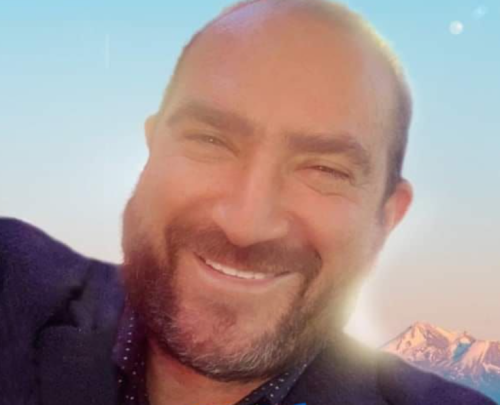
Healing practitioner
Joshua Cohen
Long Beach, CA, United States
Film/Video-Based Therapy and Virtual Reality Education
Services offered
- Virtual Reality and Film/Video Based Therapy
The practice
To face your past and make a change takes courage, and he's here to step you through the story with the trust of a coach and an editor's experience so you can be the director of your own life. If one can take ownership of their challenges, one can reap the benefits of life and thrive even when the cameras are off. Change your narrative today! Dr. Joshua L Cohen Media Psychologist
Virtual Reality and Film/Video Based Therapy Dr. Cohen makes movies with his clients to create a space to change through storytelling. He works with therapists and coaches and creates a vision board for a better world for their future. Suppose you are an academic, coach, or therapist. In that case, you might benefit from these sessions based on the books on Film/Video-Based Therapy tm Dr. Cohen co-edited, including Video and Filmmaking as Psychotherapy and Film/Video-Based Therapy and Trauma. Learn a skill that explains how his books can help your practice through Zoom and other telehealth methods. Clients will benefit from changing their narrative, facing their trauma,, and creating a new vision. Making movies allows one not only to see the narrative they are in but will enable them to create a new life for themselves through the story. In exposure and CBT, one is only exposed to their old narrative and not often given a chance to create a new vision for a new life for themselves. Video allows an idea to share their vision with a therapist better Film/Video-Based Therapy and Trauma Book by Dr. Cohen VIRTUAL REALITY AND FILMMAKING AS THERAPY Film/video-based therapy involves making movies with clients. It draws from several disciplines from cinema therapy, expressive therapy, narrative therapy, art therapy,[1] digital storytelling, and phototherapy[2] which requires a collaboration to integrate the many dynamic aspects of art and medicine. Joshua Lee Cohen Ph.D., author and co-editor of Video and Filmmaking as Psychotherapy: Research and Practice (published by Routledge in 2015), helped to establish a collaborative effort in forming film/video-based therapy. This form of therapy is about making films with clients, as opposed to cinema therapy, which involves watching films. Cohen has utilized watching films and mindfulness in his work.[3] Cohen has been cited in Tuval-Mashiach and Patton's clinical trial [4] and participated in peer reviewed research on the use of video narrative in cancer research.[5] It is not trademarked for advertising or financial purposes but intended to protect the sanctity of the license for mental health professionals and the use of the word "therapy" when used in conjunction with film/video in the United States.[6] (Other countries may have different policies) Film/video-based therapy is used in both research and practice. It has several names. Each name has a slightly different purpose for each population. In some cases, film/video-based therapy and Virtual Reality can be used with psychological assessments first before using filmmaking as recreational activities. This can keep the clinical aspects from the fun of the recreational activities. Psychological assessments need to be conducted by licensed psychologists, recreational activities can be done with art therapists, Marriage and Family Therapists, Social Workers, filmmakers, digital storytellers, and others qualified to run groups and recreational activities with the support of a licensed clinician. Alcoholics Anonymous and SMART Recovery are just two examples of the use of storytelling and trauma work without requiring a licensed professional as they are often run by peers. [7][8] In California, peers with mental health challenges might run storytelling groups approved by state bill 803 as long as they pass a state-backed peer certification program. Once they pass the certification program, they will bill off of insurance for running these groups. Contact Joshua Cohen
Statement
Dr. Cohen makes movies with his clients to create a space to change through storytelling. He works with therapists and coaches and creates a vision board for a better world for their future. Suppose you are an academic, coach, or therapist. In that case, you might benefit from these sessions based on the books on Film/Video-Based Therapy tm Dr. Cohen co-edited, including Video and Filmmaking as Psychotherapy and Film/Video-Based Therapy and Trauma. Learn a skill that explains how his books can help your practice through Zoom and other telehealth methods. Clients will benefit from changing their narrative and facing their trauma, and creating a new vision
Making movies allows one not only to see the narrative they are in but allows them to create a new life for themselves through the story. In exposure and CBT, one is only exposed to their old narrative and not often given a chance to create a new vision for a new life for themselves. Video allows a vision to share their vision with a therapist better
Biography
Dr. Cohen is clinically trained as a researcher from Pacifica Graduate Institute and Walden University. He has experience as a film/video editor, which includes "A" list work in Hollywood with significant people in the film world. He is a Media Psychologist with Peer Mental Health and staff with the Kolnoam school of video therapy. Dr. Cohen's clinical experience involves working with people of several populations in various settings, including hospitals and community mental health.